Lessons from the Frontlines: Housing, Community, and Belonging in the Bay Area
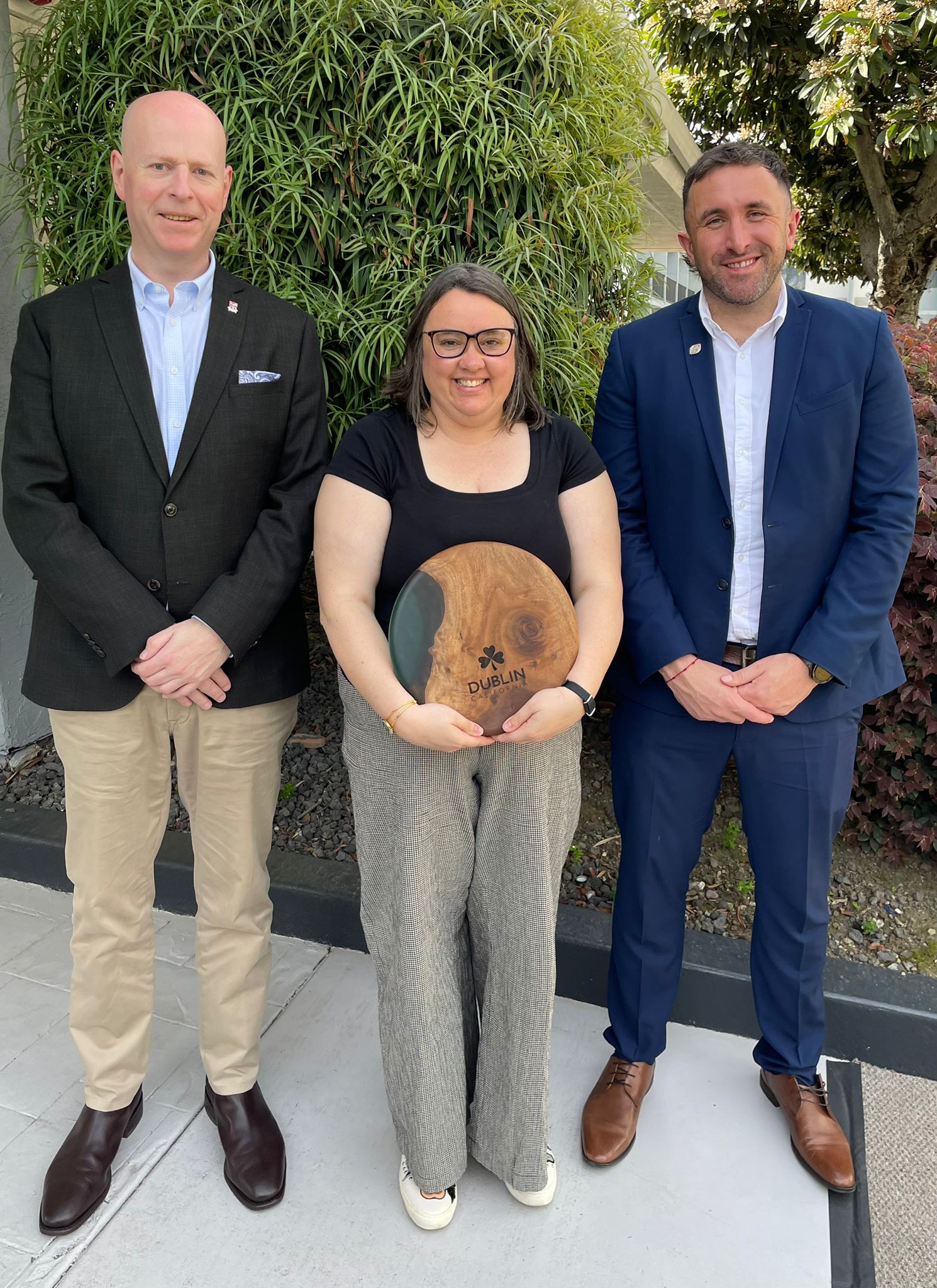
Over the course of this delegation, we had the privilege of meeting some of the most dedicated public servants, non-profit leaders, and community advocates working at the intersection of housing, immigration, culture, and urban governance in the Bay Area. What follows is a structured account of those conversations and site visits, a record of complexity, compassion, and the hard-won lessons of cities grappling with some of the defining challenges of our time.
San Francisco and the Housing Crisis
Meeting with the Mayor's Office of Housing and Community Development
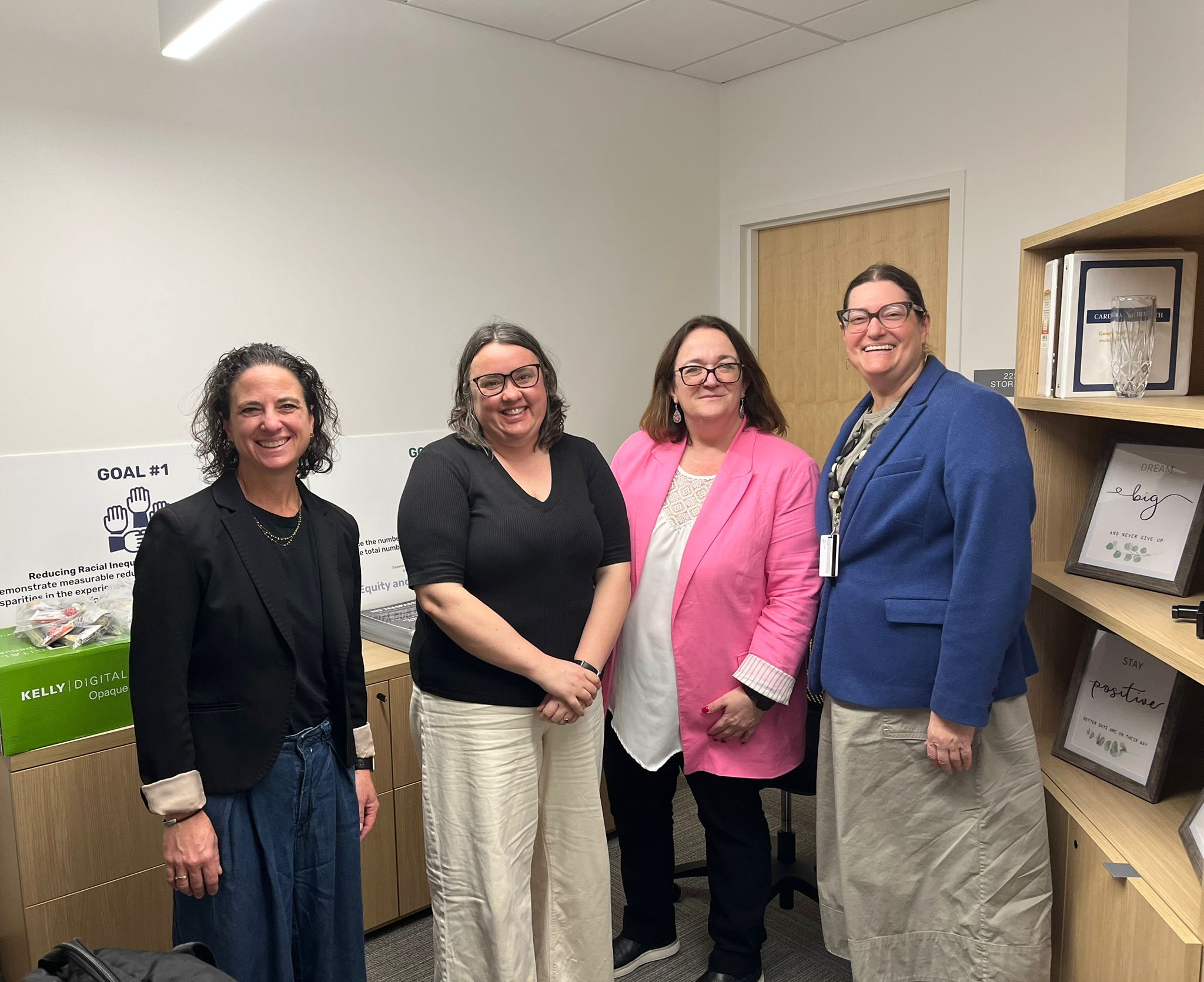
Our first engagement took us to the heart of San Francisco's policy response to homelessness. We sat down with Mara Blitzer, Director of Special Projects, and Emily Cohen, Deputy Director for Communications and Legislative Affairs, at the SF Mayor's Office of Housing and Community Development and the Office of Homelessness and Supportive Housing.
The conversation was frank and sobering. San Francisco's homelessness crisis is not simply a housing shortage. It is a compounding emergency shaped by the devastating impact of the fentanyl epidemic on rough sleeping. The proliferation of fentanyl has fundamentally changed the nature of street homelessness, making outreach harder, overdoses more frequent, and the pathway back to stability longer and more uncertain.
San Francisco's approach is Housing First. Get people housed. Then wrap services around them. Simple in principle. Incredibly hard in practice.
The Housing First model represents a philosophical commitment: that stable accommodation is not a reward for sobriety or employment, but a prerequisite for achieving either. It is an evidence-based approach, and one that challenges longstanding assumptions about who deserves housing and under what conditions.
Abode Services and City Gardens
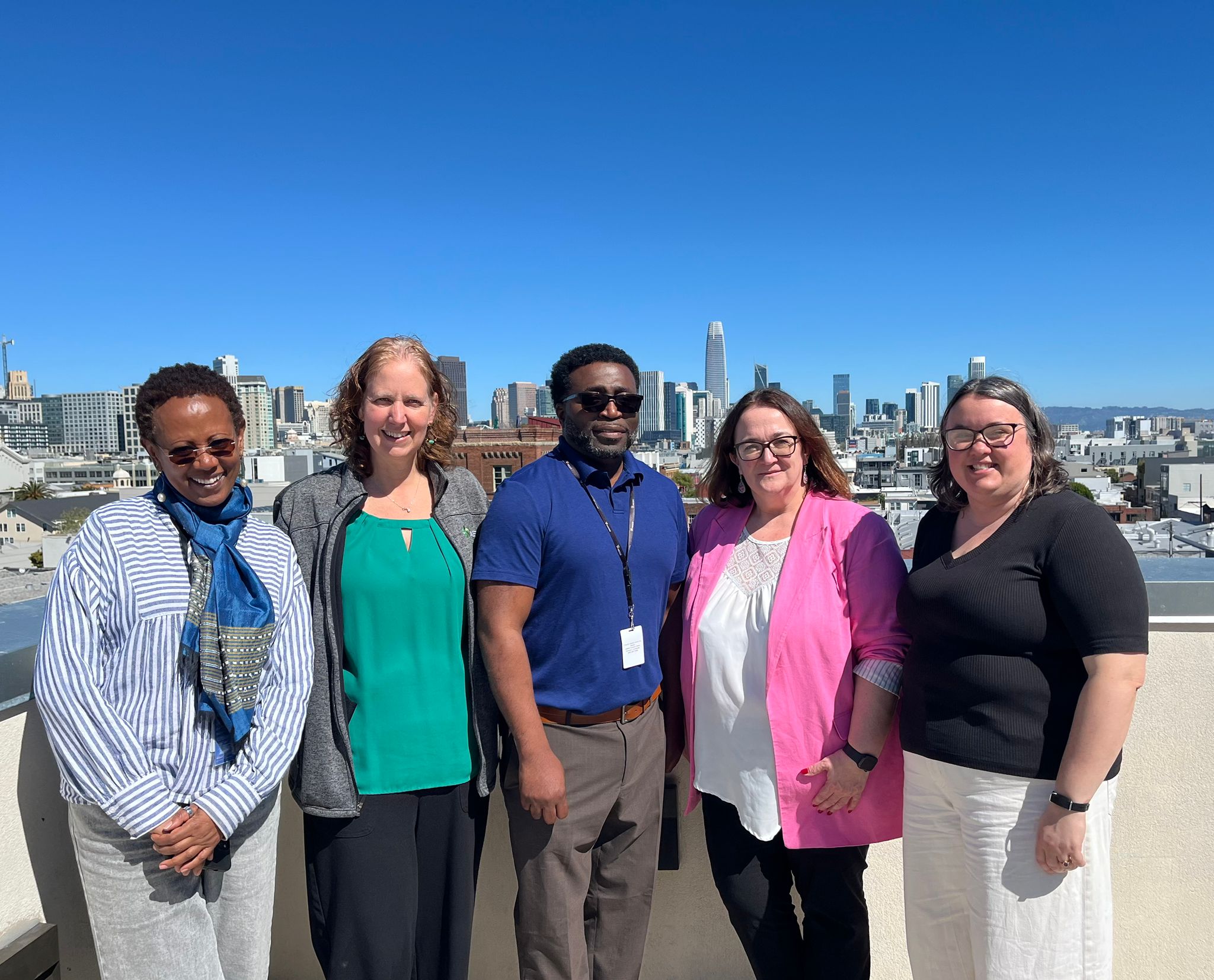
From the policy level, we moved to the ground. We visited Abode Services, a non-profit organisation doing extraordinary work in the supportive housing sector. We were welcomed by CEO Vivian Wan and her colleagues Omar Reed, Director of Housing and Services, and Sable Hailemichael, Program Manager, at the City Gardens development.
City Gardens has a remarkable origin story. Originally built as private accommodation for tech workers, the development stalled just before COVID-19 struck. The city stepped in, acquired the property, and transformed it into family housing. Today it is a supportive community complete with addiction support, employment services, and wraparound care tailored to the needs of formerly homeless residents.

One detail from our visit lodged itself firmly in mind. At City Gardens, pets are welcome.
It sounds like a small thing. But for years, many people living on the streets refused housing because they could not bring their animals. Allowing pets has brought people inside who might otherwise have stayed out.
St Patrick's Day Celebrations
The Firefighters Breakfast:
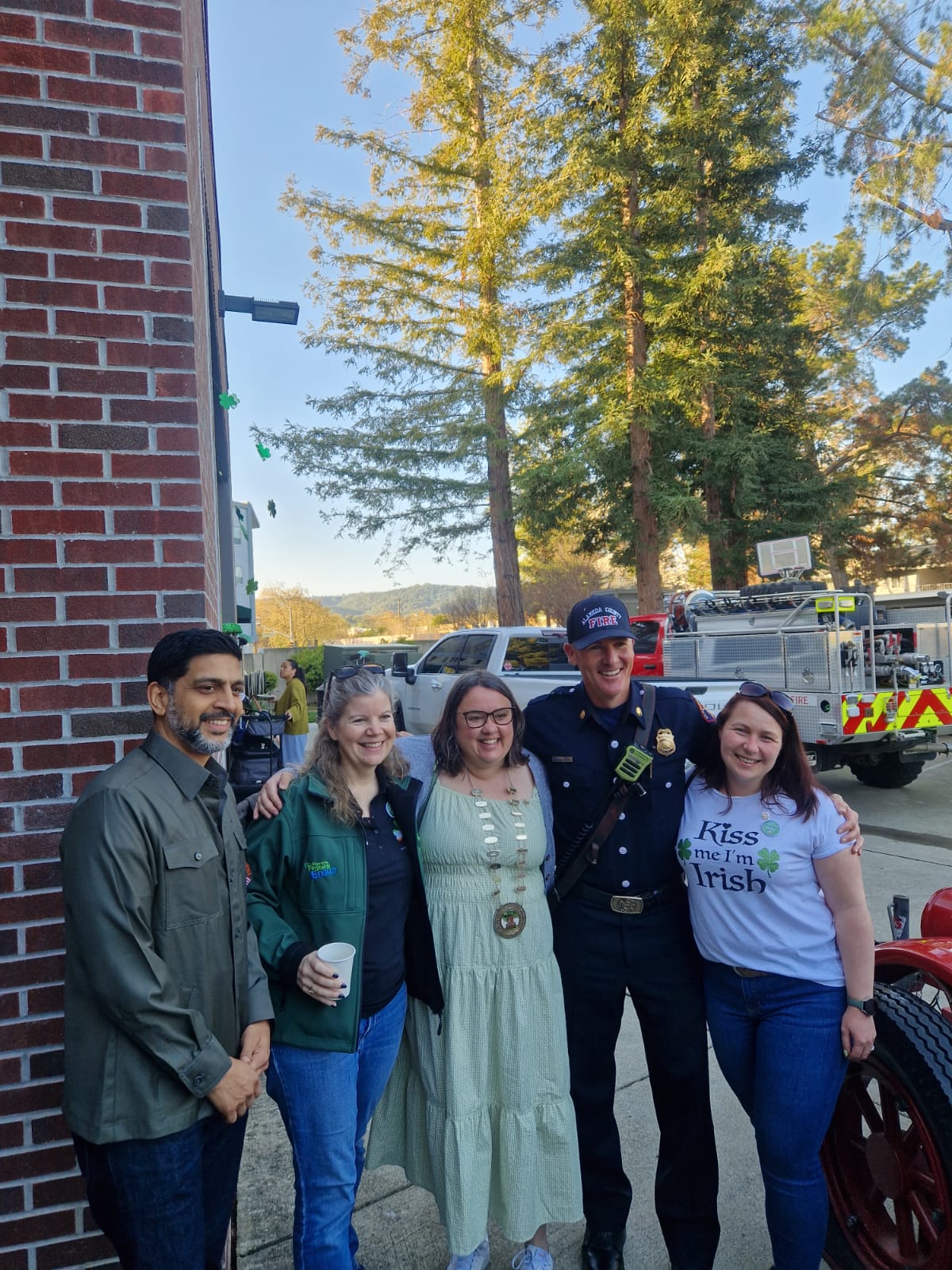
The delegation had the pleasure of joining local St Patrick's Day celebrations, beginning with the annual Firefighters Breakfast. A community staple that raises money for a great cause. There is something genuine about the sight of Dublin, California's bravest flipping green pancakes in honour of the occasion. From the griddle to the parade, it was the perfect way to begin the festivities.
The Green Gala and Meeting the Deputy Consul General:
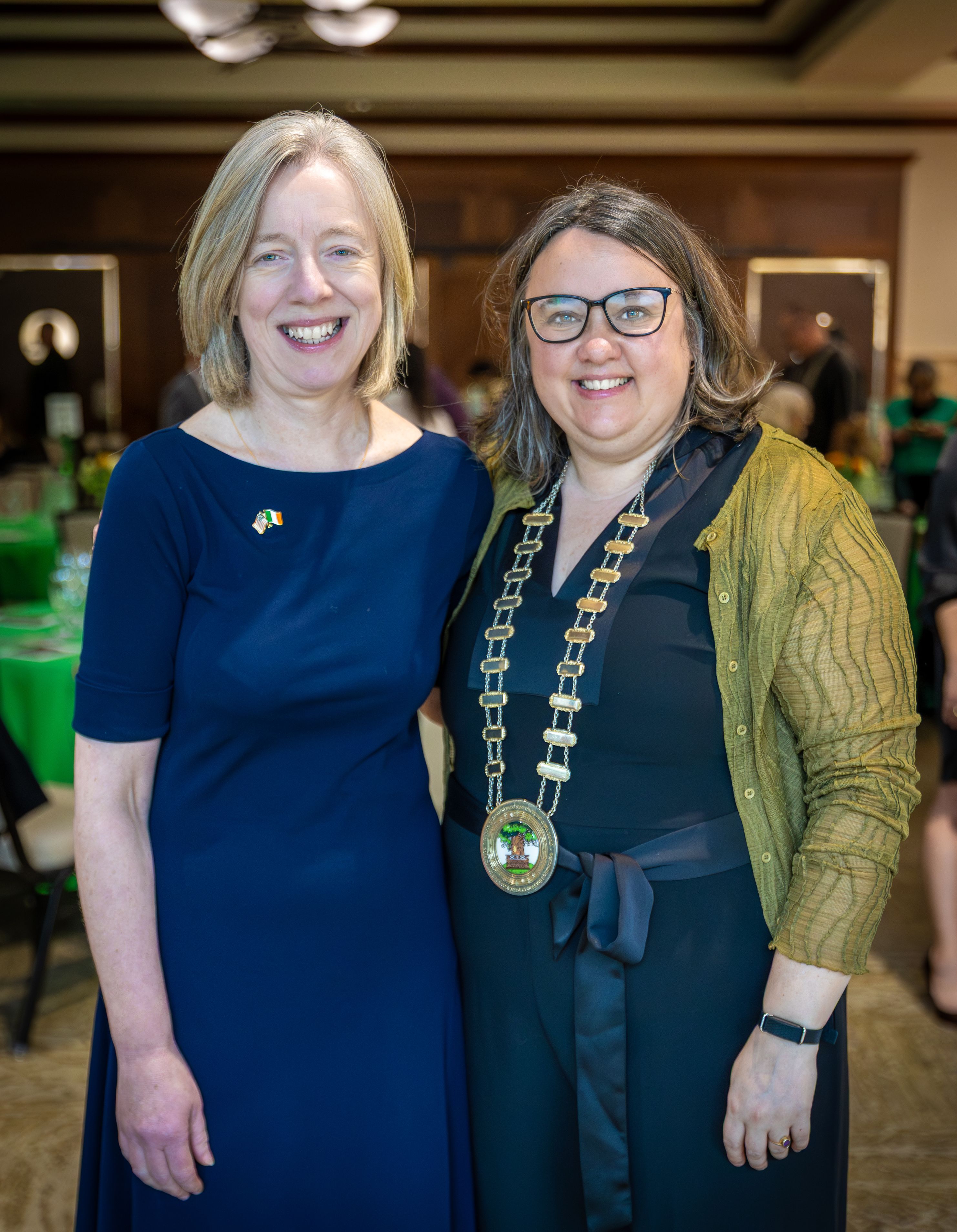
The evening brought a different kind of celebration. It was an honour to meet Ciara Traynor, Deputy Consul General of San Francisco, at the Green Gala hosted by the Dublin Historical Society. A fantastic evening celebrating history, community, and meaningful connections. St Patrick's Day, observed far from home, takes on a particular resonance when it brings together communities bound by shared heritage and a commitment to one another.
Immigration, Sanctuary, and Community Solidarity
What is a Sanctuary City?
Dublin, California is, by designation and by character, a sanctuary city. A sanctuary city is a community that limits its cooperation with federal immigration enforcement. Local law enforcement focuses on keeping all residents safe, regardless of immigration status, rather than acting as agents of federal immigration authorities.
This is not a fringe position. It reflects a considered view about the proper role of local policing and the conditions necessary for community trust. When people fear that seeking help from the police could result in deportation, they do not report crimes, do not cooperate with investigations, and do not seek the services to which they are entitled. Sanctuary policies are, in many cases, a precondition for effective public safety.
Invisible Dublin and the Work of Grassroots Solidarity:
Dublin, California is one of the most beautifully diverse cities in the Bay Area. The community is home to families and individuals from all over the world — different languages, cultures, traditions, and backgrounds, all building a life together. That multiculturalism is, as residents will tell you, one of the city's greatest strengths.
We had the opportunity to meet with a representative from Invisible Dublin, a grassroots, community-based organisation doing vital work here. They provide support, resources, and solidarity to communities that may be targeted by Immigration and Customs Enforcement (ICE). Their focus is simple and urgent: ensuring that people know their rights, and that no resident feels alone in navigating a climate of fear.
These conversations matter. Knowing your rights matters. And showing up for your neighbours matters. No one should live in fear in their own community.
The Bray-Dublin Twinning and Lessons in Inclusive Governance
A Formal Council Meeting:
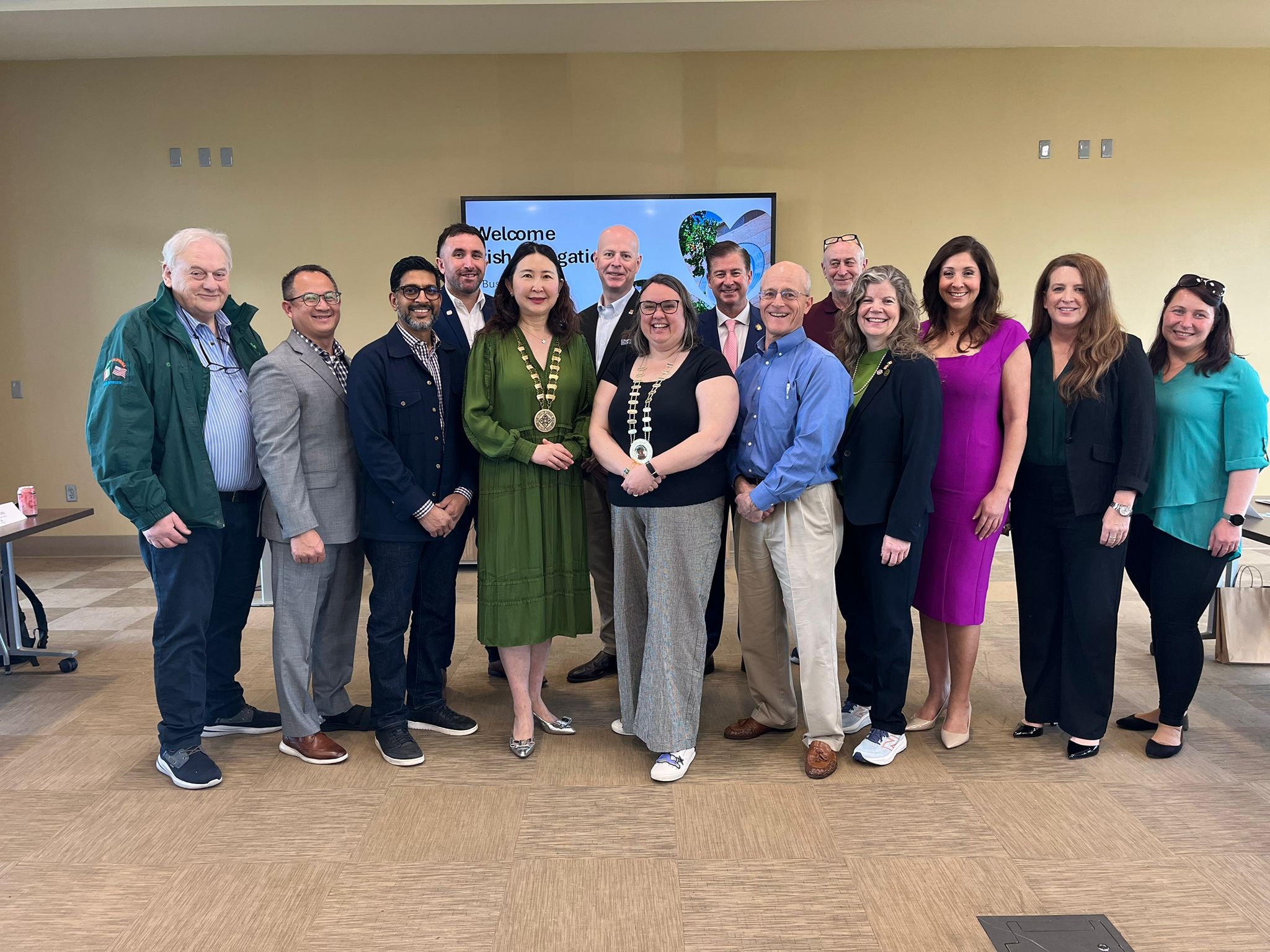
The delegation attended a formal council meeting with our friends in Dublin, California as part of the ongoing twinning friendship between our two communities. We exchanged gifts, shared presentations on projects from Bray, and engaged in a wide-ranging discussion on how both councils tackle housing, a topic Dublin, California were particularly keen to explore.
The twinning relationship is more than ceremonial. It provides a genuine vehicle for the exchange of ideas and approaches between communities that, though separated by an ocean, face many of the same challenges: how to house growing populations, how to maintain community cohesion amid diversity, and how to ensure that local government remains responsive to all of its residents.
Dublin's Festival Programme: A Model for Inclusive Local Government:
One highlight of the council discussions was learning about Dublin's festival programme. Community groups in Dublin, California receive fee waivers to celebrate their cultural and religious festivals, creating a vibrant and genuinely representative calendar of events throughout the year.
The results are striking. With approximately 70 percent of Dublin, California's population coming from diverse backgrounds, this approach has helped challenge negative attitudes toward newer communities. Festivals have become a mechanism for mutual understanding — a low-threshold, high-impact intervention that makes the abstract commitment to multiculturalism tangible and lived.
It is a powerful reminder of what inclusive local government can achieve when it takes culture seriously.
What We Carry Home
The Bay Area leg of this delegation was, in the truest sense, an education. Across conversations about homelessness, housing, immigration, sanctuary, cultural diversity, and community governance, a number of themes recurred.
- Housing is a human right, but realising it requires sustained political will, significant resources, and deep expertise. The people doing this work deserve recognition and support.
- Inclusive communities do not happen by accident. They are built, deliberately, through policy choices that signal to every resident that they belong.
- Local government is often the level of government closest to need, and the most capable of human-scale response. The examples we encountered in Dublin, California offer lessons applicable well beyond the Bay Area.
- Twinning relationships, at their best, are not about ceremony. They are about learning, and about the humility to recognise that good practice can come from anywhere.
We return with a deeper appreciation for the complexity of these challenges and a renewed commitment to the kind of serious, empathetic, evidence-based local governance that can begin to meet them.